
Alberta’s Weed Control Act establishes responsibilities for the prevention and management of regulated weeds. Under the legislation, prohibited noxious weeds must be destroyed and noxious weeds must be controlled by landowners and occupiers. Municipalities also have responsibilities for weed management on lands under their control.
The provincial list of regulated weeds identified in the Alberta Weed Control Regulation was updated effective January 28, 2026. This update added, reclassified, and removed select species to reflect current conditions in Alberta.
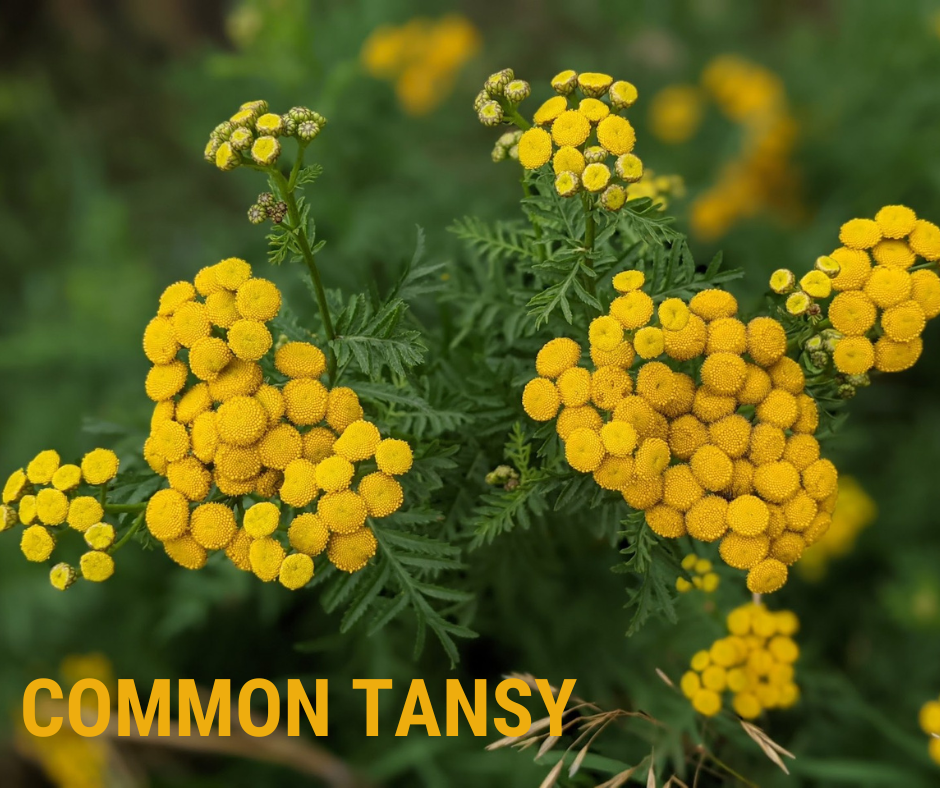
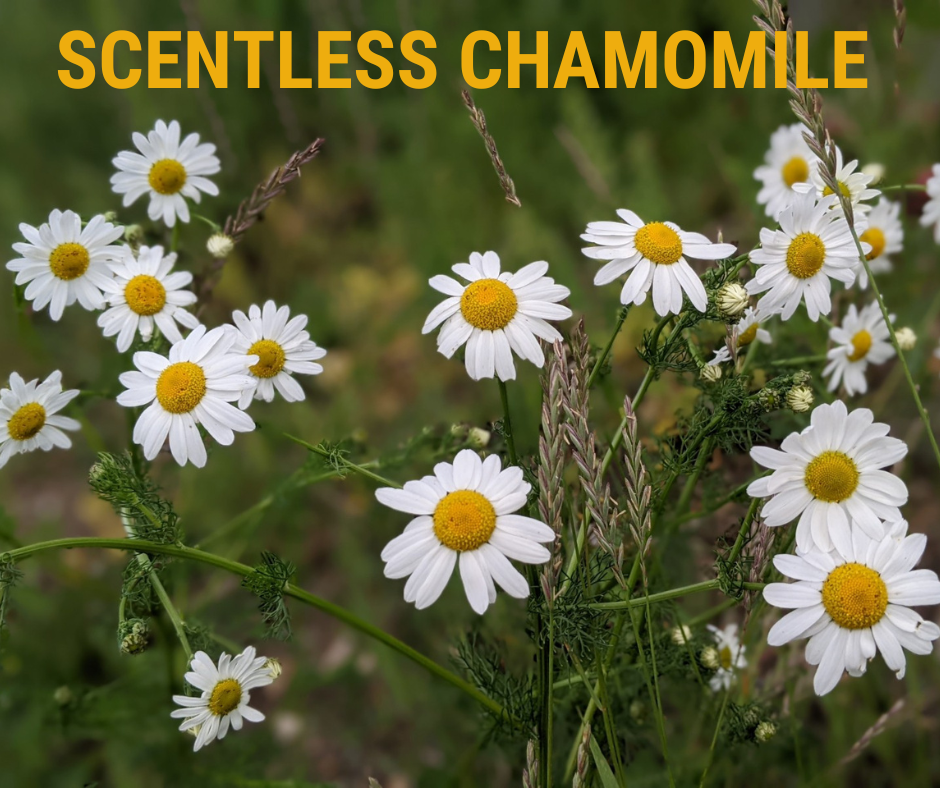
Common Noxious Weeds
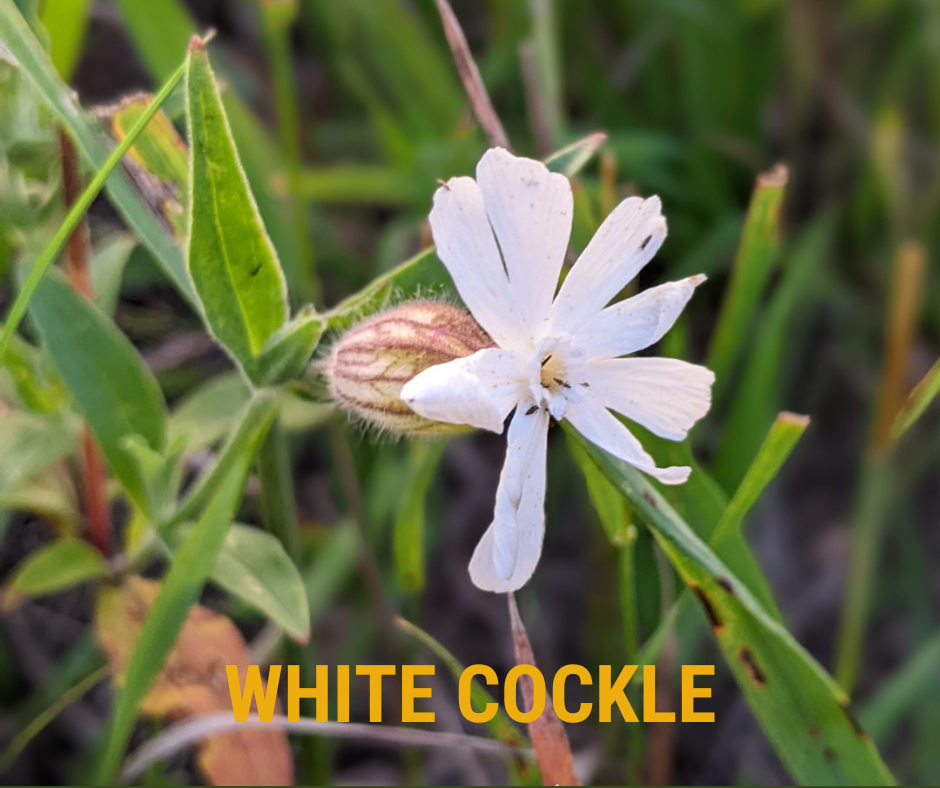
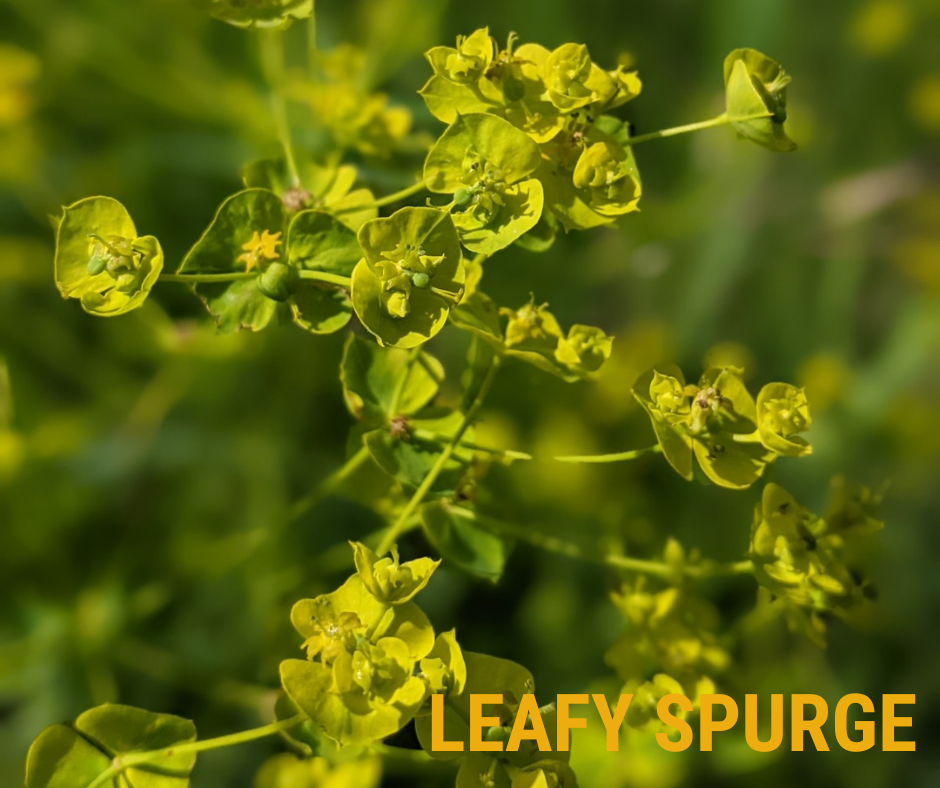
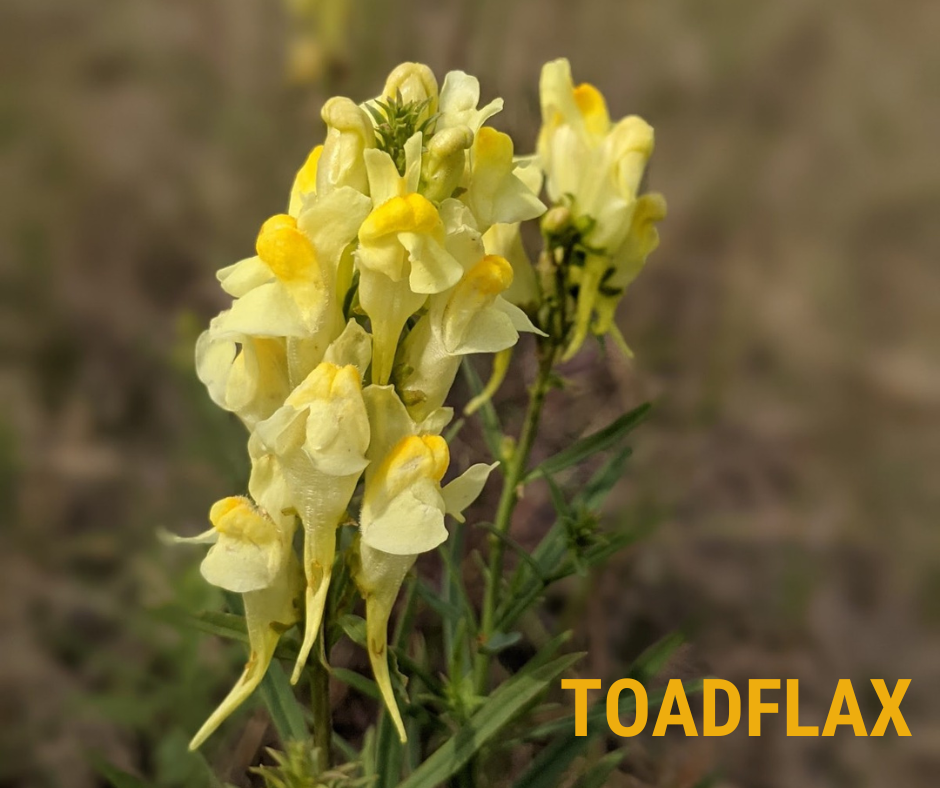
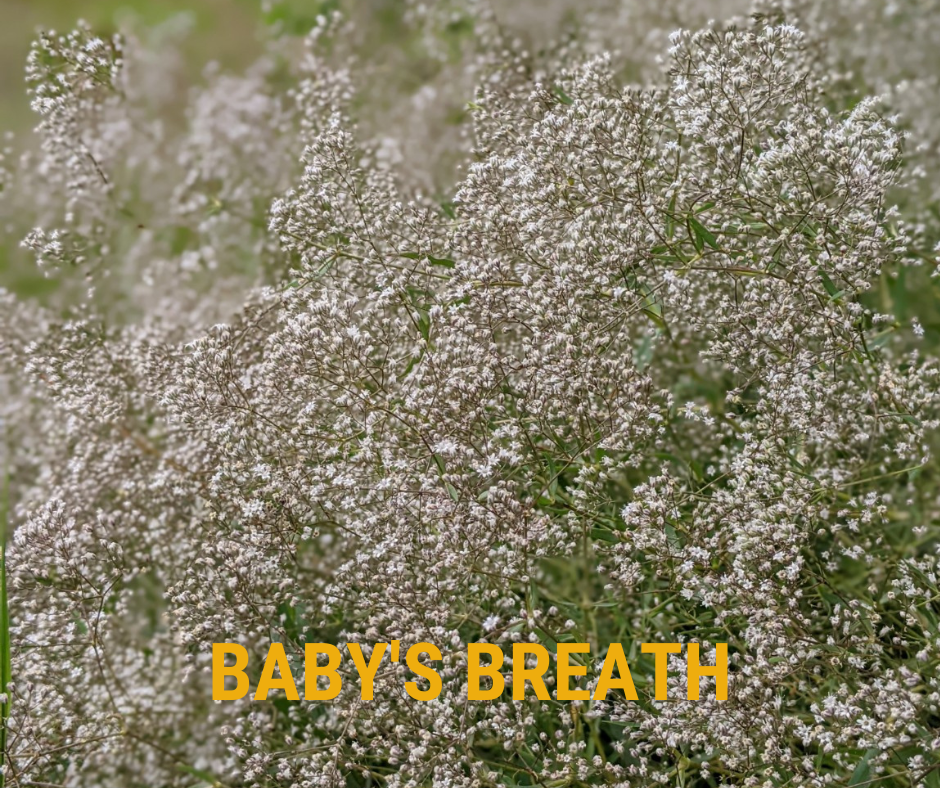
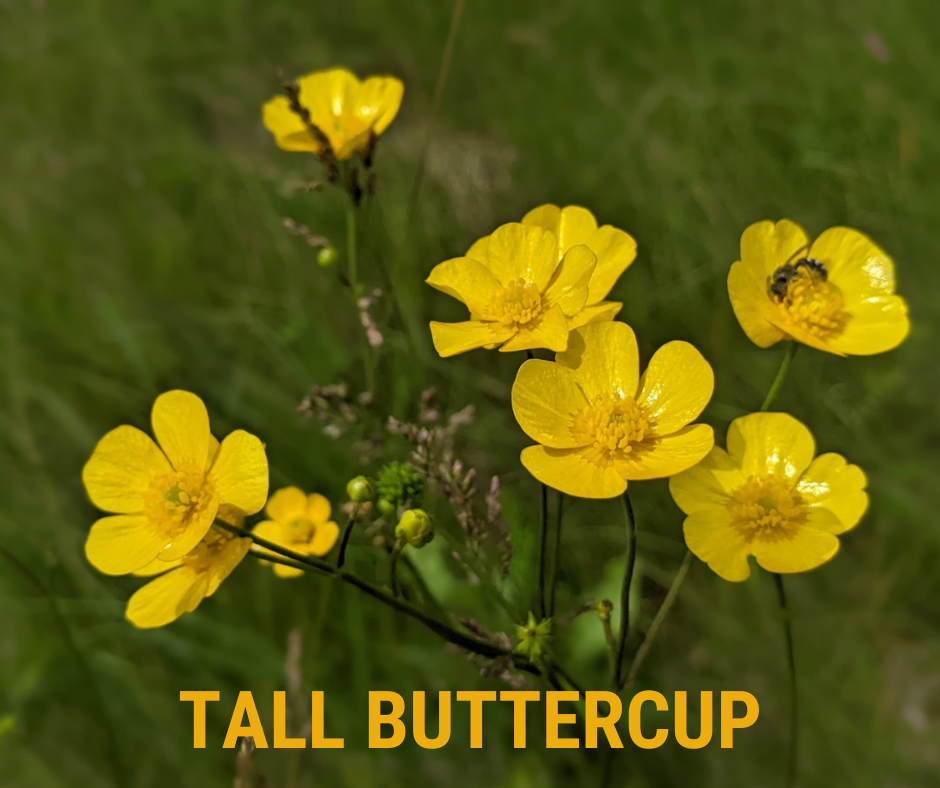
Prohibited Noxious Weeds
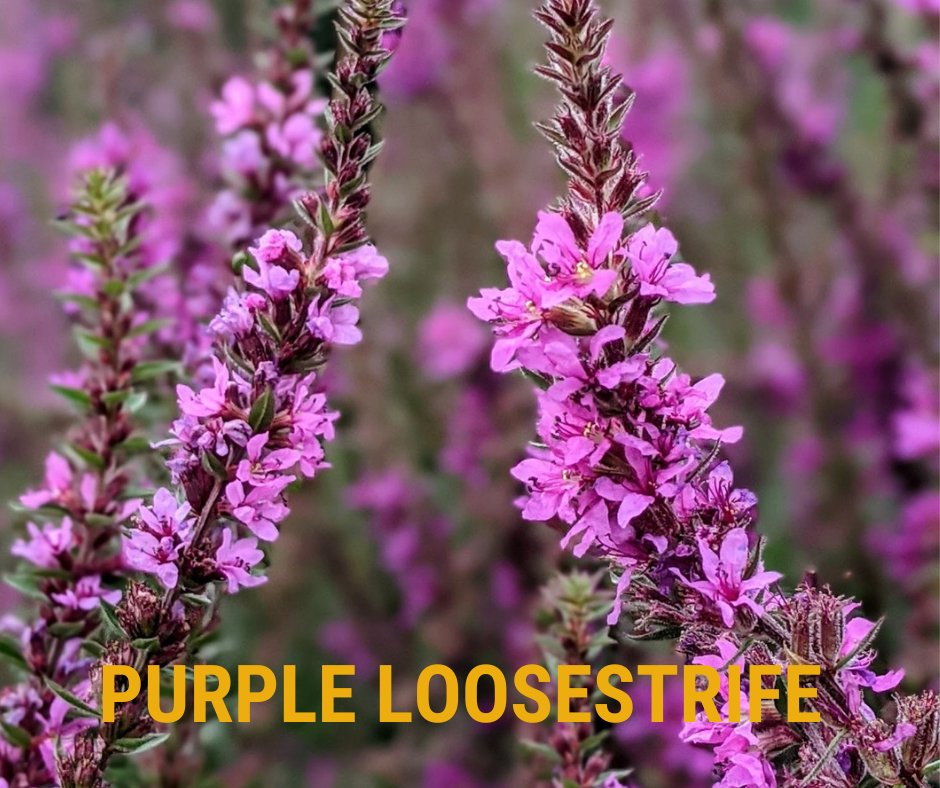
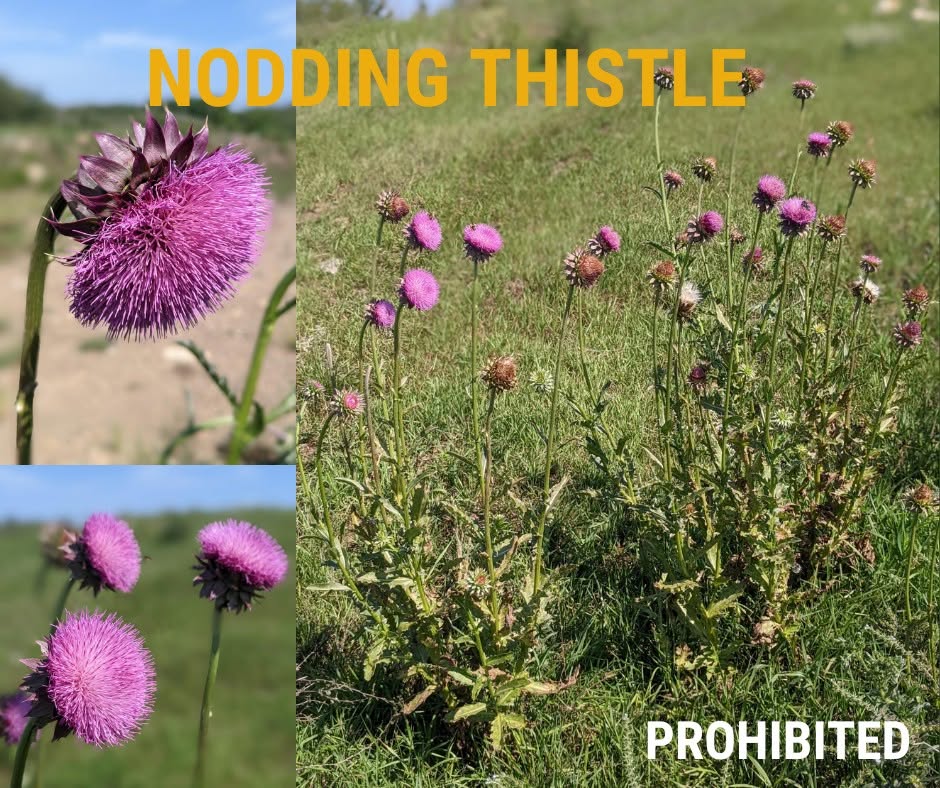
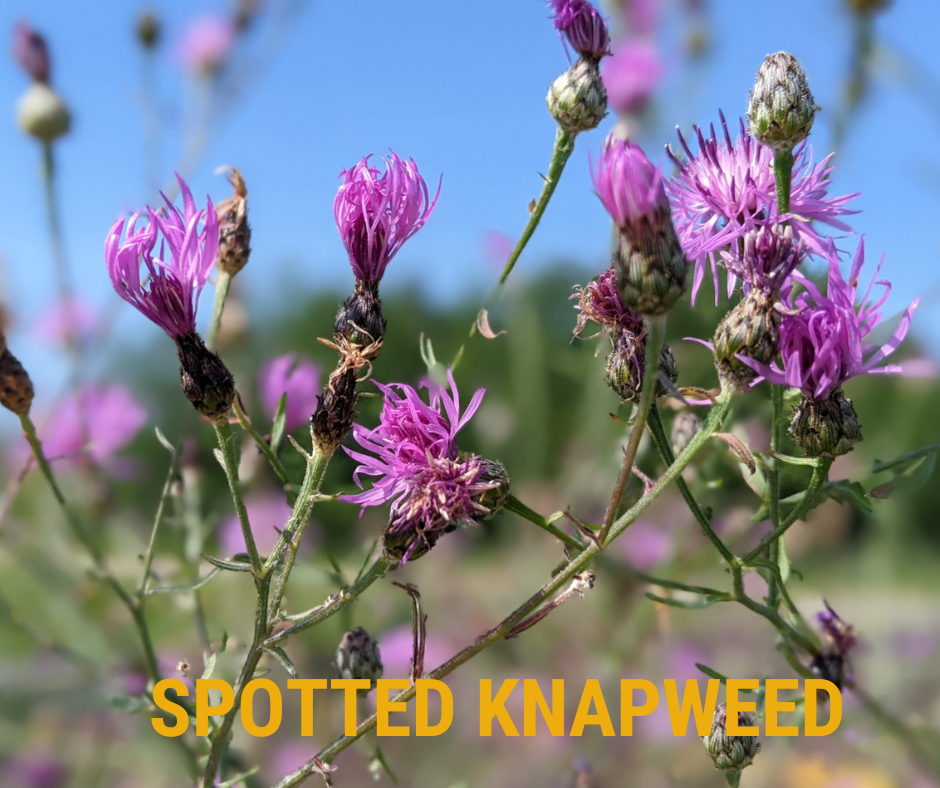
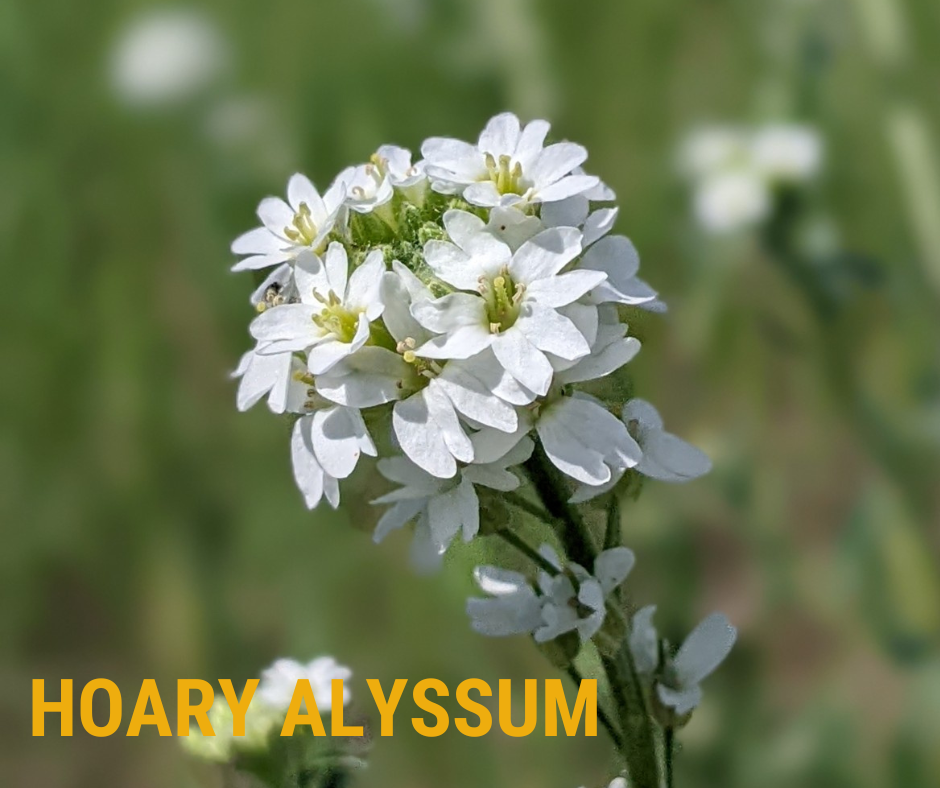
These plants can spread quickly, reduce crop and forage productivity, displace desirable vegetation, and create added management costs. The appropriate control method will depend on the species, site conditions, size of the infestation, and timing. Options may include prevention, hand removal, mowing, grazing, cultivation, selective herbicide application, and long-term monitoring.
If you find a plant you cannot identify, avoid moving or mowing it until it can be assessed. Early reporting is especially important for plants suspected to be prohibited noxious weeds.
Resources
Alberta is recognized as rat-free because the province does not have established breeding populations of Norway rats or roof rats. Maintaining this status depends on early reporting, ongoing monitoring, and coordinated control by residents, landowners, municipalities, and provincial staff.
The M.D. of Wainwright’s rat control program celebrated 75 years of service in 2025. As part of this program, all premises in Range 1 of the M.D. are inspected by Agricultural Services staff twice each year—once in the spring and once in the fall.
Rats can damage buildings and electrical systems, contaminate food and feed supplies, spread disease, and affect agricultural operations. They may arrive in Alberta in vehicles, trailers, equipment, freight, feed, or other materials brought into the province.
If you suspect rats
If you see a suspected rat, rat droppings, burrows, trails, gnaw marks, or other signs of activity anywhere in the M.D.:
- Safely take a photo, if possible.
- Record the location and note what you observed.
- Contact the Agricultural Services Department immediately at 780-842-4454.
M.D. staff will inspect reported locations, monitor for activity, and undertake control work where it is required.
Toxicant Use
The M.D. does not distribute toxicants for general use or for mouse control. Toxicants may only be used or provided in specific circumstances as part of an authorized rat-control response.
Help prevent rat infestations
- Keep feed, grain, pet food, and garbage securely stored.
- Remove clutter and potential nesting areas around buildings.
- Inspect vehicles, trailers, campers, equipment, and freight when returning from outside Alberta.
- Watch for signs such as burrows, droppings, gnaw marks, and well-used travel paths.
It is illegal for private citizens to keep rats of the Rattus species as pets in Alberta.
Resource: Alberta’s Rat Control Program
Wild boar are an invasive pest in Alberta. They can damage crops, pasture, fences, wetlands, and natural areas, and pose animal-health and disease risks to livestock, wildlife, pets, and people.
Since December 1, 2025, wild boar and wild boar hybrids have been designated as pests in all circumstances in Alberta. It is illegal to keep, import, purchase, sell, transport, or otherwise possess live wild boar or wild boar hybrids without a permit. New wild boar farms are not permitted.
Report sightings immediately
If you see wild boar or signs of activity, including rooting, wallowing, tracks, damaged fencing, or suspected feeding areas:
- Keep a safe distance and do not approach the animals.
- Safely take photos, if possible.
- Record the location, date, time, number of animals observed, and direction of travel.
- Report the sighting immediately to the Agricultural Services Department or Alberta Agriculture and Irrigation:
- Complete the online wild boar reporting form
- Email wildboar@gov.ab.ca
- Call 310-FARM (3276)
Wild boar are difficult to eradicate when individual animals are pressured or dispersed. Alberta’s control program focuses on reporting, surveillance, and coordinated removal of entire sounders, or family groups. Hunting or trapping wild boar is generally prohibited, with limited exceptions for landowners, occupants, and those assisting them on their own land. All wild boar kills must be reported.
Resources
Aquatic invasive species are non-native plants, animals, fish, invertebrates, and diseases that can harm water quality, ecosystems, recreation, infrastructure, and local economies. Once established, many aquatic invasive species are extremely difficult and costly to remove. Prevention is the most effective approach.
The M.D. has installed a waterless boat drying unit at the Clear Lake boat launch to help recreationists remove standing water and debris from boats and water-related equipment.
Clean, Drain, Dry
Before moving a watercraft or equipment between water bodies:
- Clean all plants, mud, animals, and debris from boats, trailers, gear, anchors, paddles, waders, life jackets, and pets.
- Drain all water from the boat, bilge, live well, bait bucket, motor, and equipment. Remove drain plugs during transport, where required.
- Dry all equipment thoroughly before entering another water body. Use the Clear Lake waterless boat drying unit where appropriate.
These practices apply to motorized and non-motorized watercraft, fishing gear, waders, life jackets, kayaks, paddleboards, construction equipment, and other gear used in or near water.
Do not release unwanted aquatic species
Do not release aquarium pets, pond plants, fish, bait, water, or other aquatic organisms into Alberta’s lakes, wetlands, rivers, or stormwater ponds. Releasing these materials can introduce invasive species, parasites, and diseases, and is illegal in Alberta.
Report suspected aquatic invasive species
If you suspect an aquatic invasive species:
- Contact the Agricultural Services Department or;
- Call the Alberta Aquatic Invasive Species Hotline at 1-855-336-BOAT (2628)
Resources
- Alberta Aquatic Invasive Species
- Clean, Drain, Dry Your Gear
- Aquatic Invasive Species Pocket Guide
- Alberta Invasive Species Council: Clean Drain Dry
Watercraft Inspections
Watercraft inspections are an important part of preventing the introduction and spread of aquatic invasive species in Alberta. When highway signage indicates that a watercraft inspection station is open, all persons transporting a watercraft must stop for inspection.
This applies to trailered boats, canoes, kayaks, paddleboards, inflatables, and other water-related equipment. Watercraft entering Alberta through the east or south borders must report to an inspection station between May 1 and September 30. If the nearest station is closed, the watercraft must be inspected within seven days or before it is launched in Alberta waters.
Remember to remove drain plugs during transport on Alberta highways. Failure to stop at an open inspection station or to remove drain plugs may result in fines.
Before travelling, check Alberta’s current Watercraft Inspection Station Map for station locations and operating schedules. For questions or to book an inspection, call the Alberta Aquatic Invasive Species Hotline at 1-855-336-BOAT (2628).
Also add this resource link to the existing Resources list: